 Live Preview
Physical Intelligence
Features
- Foundational Models — Building robust models that serve as the core for AI's understanding and interaction with the physical world.
- Innovative Learning Algorithms — Developing algorithms that enable machines to learn from their environment and experiences.
- Empowerment of Current and Future Robots — Enhancing the capabilities of existing robots and laying the groundwork for the next generation of physically-actuated devices.
- Adaptability — Machines that can learn and adapt to new challenges through experience, much like humans do.
- Cross-disciplinary Team — A diverse group of engineers, scientists, roboticists, and entrepreneurs united by a passion for advancing robotics.
- Focus on Automation — Pioneering solutions that promise increased efficiency and the ability to automate complex tasks across various industries.
Use Cases
- Automation in Manufacturing — Imagine a factory where robots learn and adapt to new tasks, improving efficiency and flexibility on the production line. Physical Intelligence is making this a reality, benefiting manufacturers who seek to optimize their operations.
- Assistive Robots for Healthcare — Healthcare professionals can rely on assistive robots that adapt to the needs of patients, enhancing care and rehabilitation. Physical Intelligence empowers medical staff with tools that learn and evolve, improving patient outcomes.
- Smart Infrastructure Maintenance — Imagine robots that inspect and maintain critical infrastructure, learning to identify and address issues over time. Physical Intelligence offers solutions that keep our cities safe and functional, benefiting engineers and urban planners alike.
Related Tools
Tools with similar capabilities you might also like
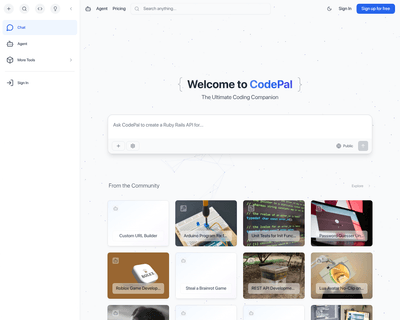
CodePal excels in generating code snippets from natural language input, making it easier for users to express their coding intentions without getting bogged dow
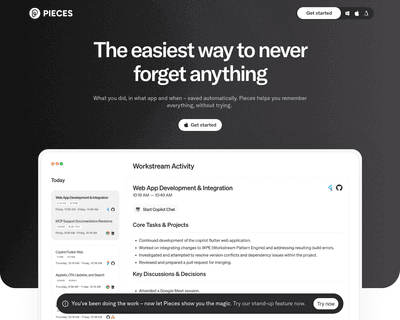
With features that allow users to save, search, share, and reuse code snippets and screenshots, it stands out for its AI-driven capabilities. The integration of

Its no-code builder simplifies the process of defining extraction parameters, allowing users to focus on what data they need rather than how to extract it. By u
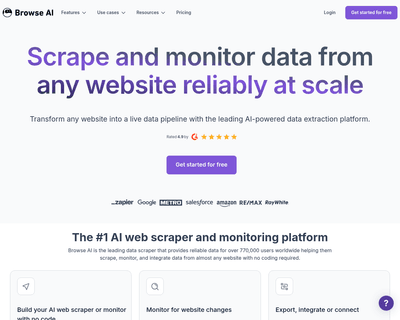
Users can train a robot in just a couple of minutes to gather information, which can then be easily exported in spreadsheet format or integrated with popular pl
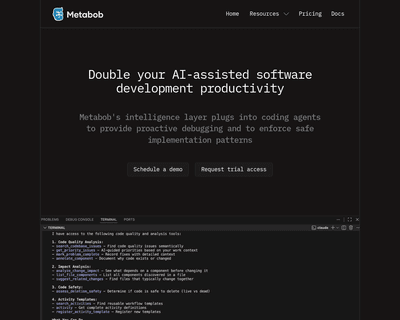
Metabob not only identifies a variety of coding issues—ranging from logical bugs to performance bottlenecks—but also provides context and explanations for these
By providing an NPM package that can be easily installed, it allows for quick integration into existing workflows. The introduction of a command-line interface